aside from brands/modles mentioned others that have been good values and include macro focus settings and flexibity in focus/exposure/etc are older/used models of Sony and Nikon as well as most major brands.
Many Sony, and other, digital cameras include a feature that helps steady handheld pictures.
I am using a older Nikon Coolpix 8400 which is about like a digital SLR with a single non-removable lens with all the flexibilty.
The point on using a tripod, or learning how to hold the camera VERY steady (Possibly placed on a pilow/shot-bag/etc) is important. The finer/closer the detail, especially in low light, the more important being able to isolate the camera from vibration. This has an additonal advantage of allowing you to move your reflection, or shadow, from the picture.
One extra way to do that is to use the delay/timer on the camera so that you can set it up on a steady stand, press the button and move away allowing all vibration to stop before the actual shutter is tripped.
It is possible to train yourself to hold and shoot steady pictures without using a tripod or such, but it is roughly equivelant to training yourself to make pinpoint offhand long-distant rifle shots.
One other element of camera selection for closeup fine detail work is that a larger/heavier camera is easier to hold steady and control than a thin pocket size one that might be more useful for easy carry for occasional snapshots and such.
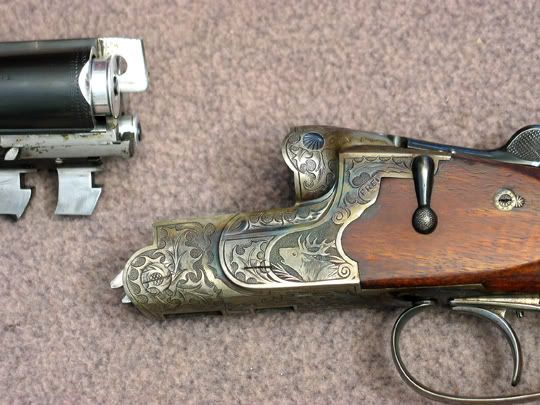
As to Megapixel image size; best to take the initial image in largest resoltion size that your camera will handle and downsize it afterwards (my pictures below were taken as 10mp "RAW" images and downsized to under 100kb with my PC software for web consumption)