|
|
|
S |
M |
T |
W |
T |
F |
S |
|
|
|
|
1
|
2
|
3
|
4
|
|
5
|
6
|
7
|
8
|
9
|
10
|
11
|
|
12
|
13
|
14
|
15
|
16
|
17
|
18
|
|
19
|
20
|
21
|
22
|
23
|
24
|
25
|
|
26
|
27
|
28
|
29
|
30
|
31
|
|
|
|
0 members (),
2,089
guests, and
6
robots. |
|
Key:
Admin,
Global Mod,
Mod
|
|
|
Forums10
Topics40,270
Posts572,789
Members14,687
| |
Most Online32,084
Jun 14th, 2026
|
|
|
|
Joined: Mar 2002
Posts: 94
Sidelock
|
OP

Sidelock
Joined: Mar 2002
Posts: 94 |
Just got to thinking about leather custom pads. How are they attached?
|
|
|
|
|
Joined: Jul 2008
Posts: 1,008
Sidelock
|
|
Sidelock
Joined: Jul 2008
Posts: 1,008 |
|
|
|
|
|
Joined: Mar 2009
Posts: 2,088 Likes: 82
Sidelock
|
|
Sidelock
Joined: Mar 2009
Posts: 2,088 Likes: 82 |
Often they are glued onto to smooth post screwed into the gun butt
Michael Dittamo
Topeka, KS
|
|
|
|
|
Joined: May 2008
Posts: 1,118 Likes: 449
Sidelock
|
|
Sidelock
Joined: May 2008
Posts: 1,118 Likes: 449 |
Often they are glued onto to smooth post screwed into the gun butt Colonel; I have not encountered this method of attaching a leather covered recoil pad. The smooth post--- is it steel or some other material and what size is it? Would you be so kind as to describe the method?
|
|
|
|
|
Joined: Feb 2002
Posts: 1,962 Likes: 274
Sidelock
|
|
Sidelock
Joined: Feb 2002
Posts: 1,962 Likes: 274 |
I've put them on in the past with wooden pegs in place of the 2 screws.
The pad is glued into place for installation, The pegs make for a positive allaignment of the pad onto the stock.
It takes some time and careful preparation to make sure the pegs fit snugly into holes drilled into the facing of the pad. No room for a loose fit or the entire reason for doing this is lost.
The entire fit up is done first with the pad in it's oversized state. The pad is held in position with only a friction tight hold on the pegs as the pad is trimmed to the wood and finished.
Then the pad is leather covered.
When ready to install, the glue applied sparingly and the pad placed back onto the stock and pushed one last time onto the pegs & stock face.
A couple of long bar clamps hold it in place till the glue cures and it's done.
Since the pad was fitted in place on the pegs and it's fit on those pegs is extremely tight,,it goes right back on in the same position.
Don't over do the glue. Excess will squeeze out the sides and ruin the looks as you chase after it. You are doing this final assembly on the finished wood.
Yes it's in place permanetly,,but it's only done on a non-thru bolt type of stock.
Recoil pads are not something you take off and put back on just for fun and idle curiosity.
If it really does need to be replaced from damage or wear,,you can cut the bulk of it off, belt sand back to the original surface quite easily and do the same thing all over again.
All this style of installation really does is avoid the 'plugs' for the screws in the face of the leather cover pad.
The wooden pegs ensure correct allaignment if done carefully as well as offering some shear strength to the assembly.
I usually use standard 1/4" dia hardwood dowel for the pegs.
Just another way to do these.
|
|
|
|
|
Joined: Feb 2012
Posts: 602 Likes: 39
Sidelock
|
|
Sidelock
Joined: Feb 2012
Posts: 602 Likes: 39 |
In my opinion, leather covered pads should be attached by screws & the screws covered with leather wrapped plugs.
This is the traditional way to do it, looks nice & neat & if you need to get the pad off for any reason such as a stock finish touch up or to recover the pad (leather covered pads do get worn & nasty looking rather easily if used around briars) it is easy to pull the plugs to get at the screws & remove the pad.
Removing any glued on recoil pad leather covered or not is an unnecessary PITA & I don't understand why people want to glue pads on.
Just my $.02 but it's not worth it to me just to avoid having plugs showing on the face of the pad & I actually prefer the traditional look & especially a leather covered Silvers type pad with the large plugs.
|
|
|
|
|
Joined: Jul 2008
Posts: 1,008
Sidelock
|
|
Sidelock
Joined: Jul 2008
Posts: 1,008 |
Kutter - thank you for describing the method using plugs. I did not know if this and appreciate learning of it.
I have modified the stock on about 8 of my doubleguns and do not use leather pads, even tho they really look nice and are perhaps the most elegant of all pads. I use the New England Custom removable ones and am very pleased with them, but they aren't nearly as elegant as the leather pads!
|
|
|
|
|
Joined: Mar 2002
Posts: 94
Sidelock
|
|
OP
Sidelock
Joined: Mar 2002
Posts: 94 |
|
|
|
|
|
Joined: Feb 2012
Posts: 52
Sidelock
|
|
Sidelock
Joined: Feb 2012
Posts: 52 |
This is how pads are traditionaly fitted in England 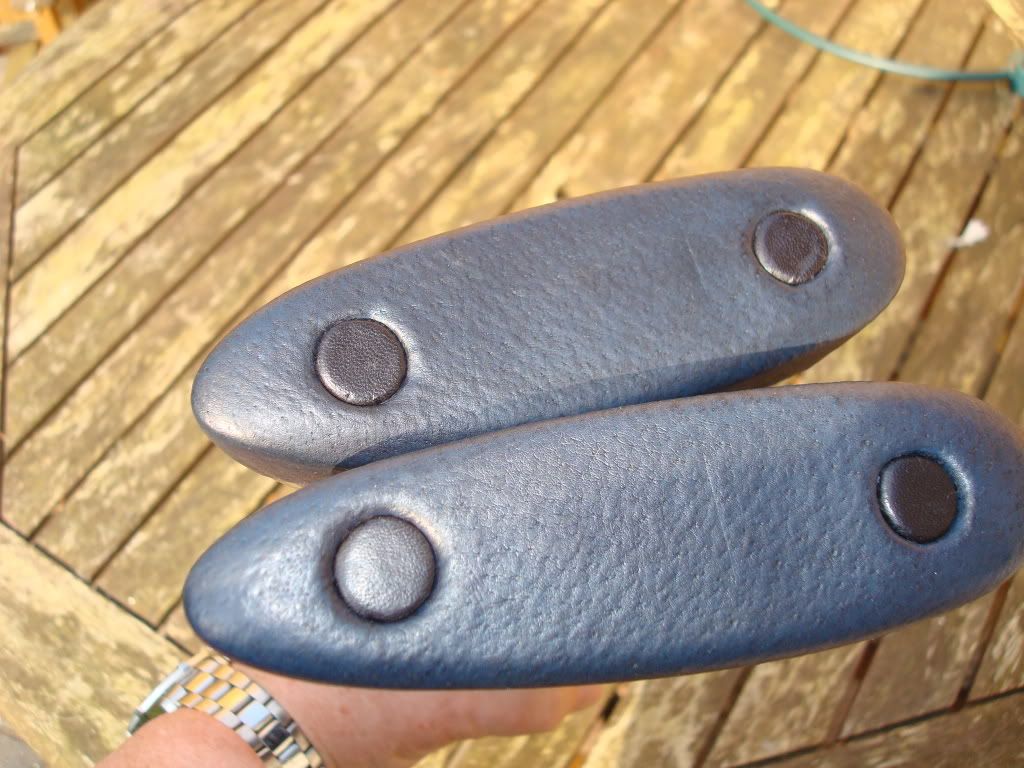 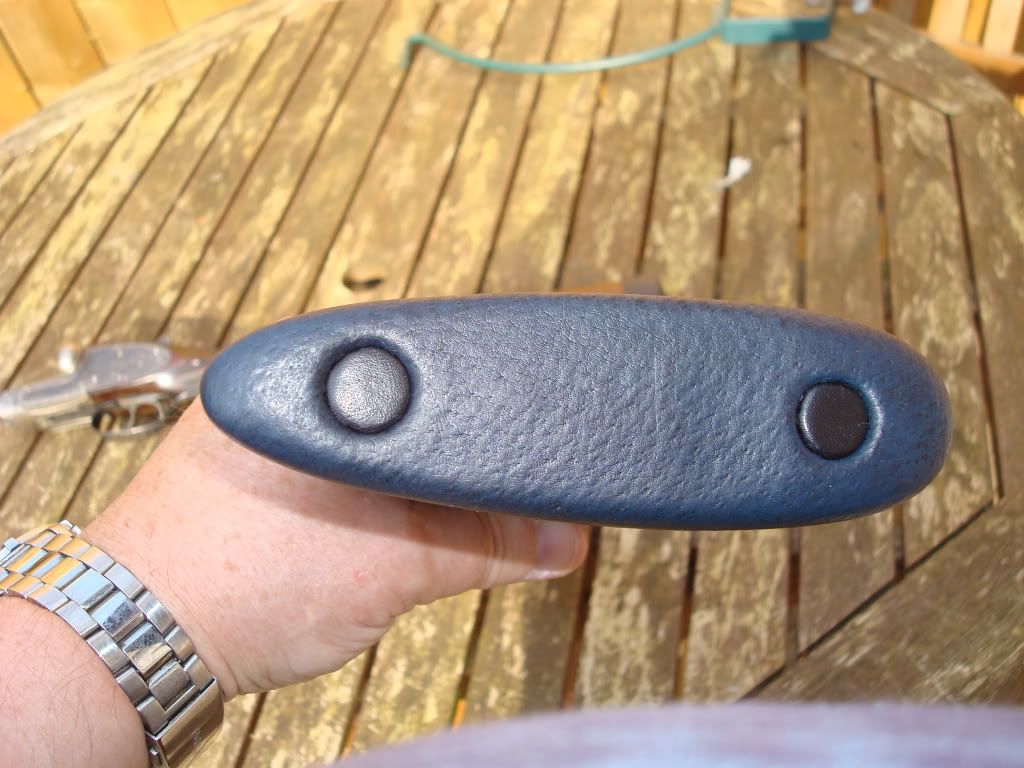 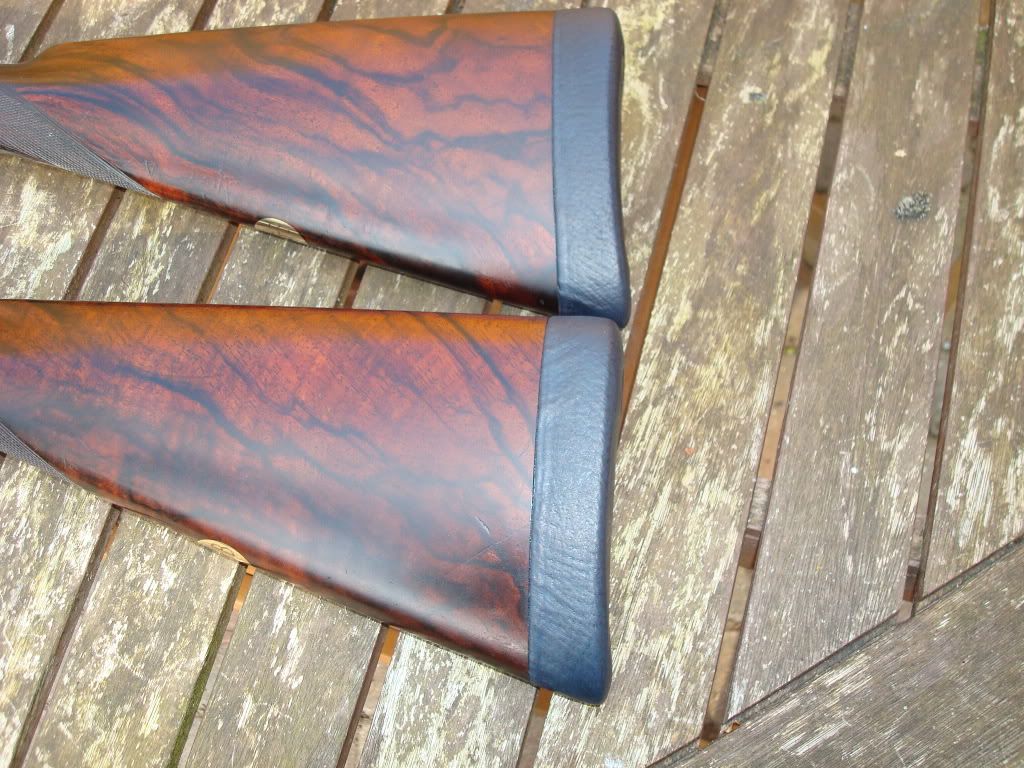 Bob
|
|
|
|
|
|
|

