|
|
|
S |
M |
T |
W |
T |
F |
S |
|
|
|
|
|
1
|
2
|
3
|
|
4
|
5
|
6
|
7
|
8
|
9
|
10
|
|
11
|
12
|
13
|
14
|
15
|
16
|
17
|
|
18
|
19
|
20
|
21
|
22
|
23
|
24
|
|
25
|
26
|
27
|
28
|
29
|
30
|
31
|
|
|
Forums10
Topics39,798
Posts565,786
Members14,620
| |
Most Online9,918 Jul 28th, 2025
|
|
|
|
Joined: Jan 2006
Posts: 15,465 Likes: 89
Sidelock
|
Sidelock
Joined: Jan 2006
Posts: 15,465 Likes: 89 |
|
|
|
|
|
Joined: Sep 2007
Posts: 2,814 Likes: 2
Sidelock
|
Sidelock
Joined: Sep 2007
Posts: 2,814 Likes: 2 |
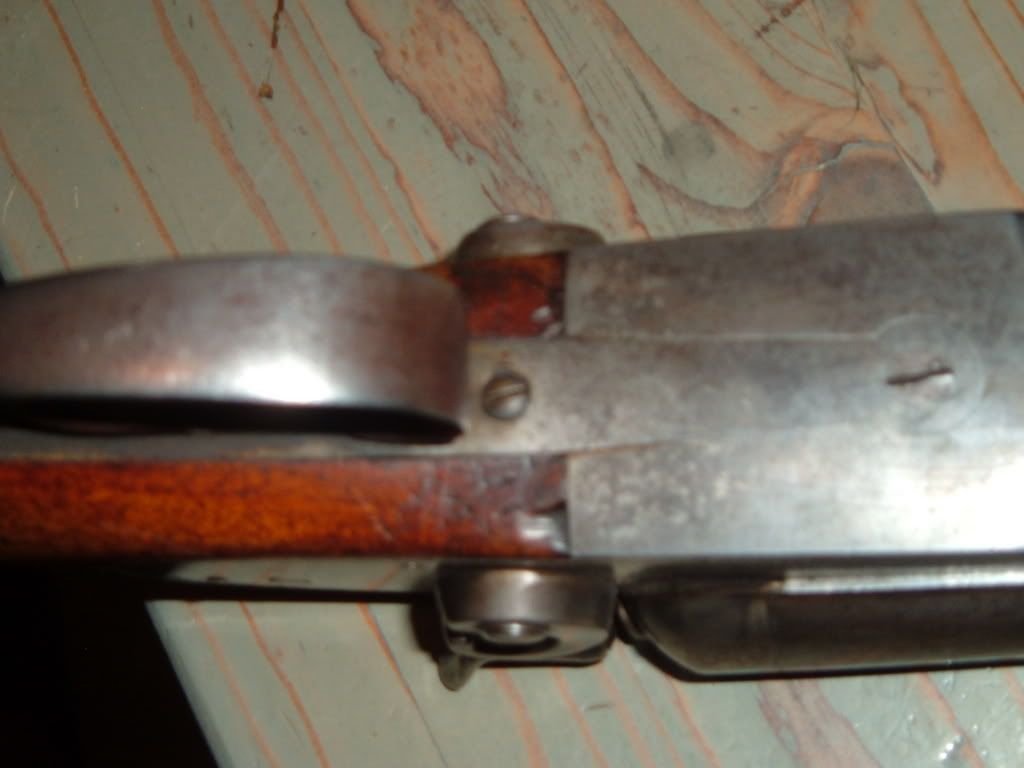
Maybe its an LC Smith thing? I vote for all of the above, fences, exposure of wood, sweat etc 
|
|
|
|
|
Joined: Jan 2002
Posts: 1,249 Likes: 6
Sidelock
|
Sidelock
Joined: Jan 2002
Posts: 1,249 Likes: 6 |
I once owned an absolutely mint Smith that looked the same on its underside, right behind the frame. I never figured out with certainty what caused it since the gun was probably never out in the field nor even out of a gun cabinet. I finally chalked it up to some sort of chemical reaction that caused the varnish to "bubble" behind the frame, probably where a solvent or whatever likely soaked into the inletting cuts there.
The bubbled varnish on the Smith looked just like a kitchen table we once owned. The table was a high end one from Ethan Allen and while it's surcase was walnut-looking formica, the end pieces were real wood, varnished or maybe lacquered. After many years the finish bubbled up and the wife always said it was because she used a liquid furniture polish on those end pieces. Silvers
I AM SILVERS, NOT SLIVER = two different members. I'm in the northeast, the other member is in MT.
|
|
|
|
|
|
|